
Can Swimming Lessons Make Your Child Smarter? The Cognitive Benefits of Swimming
Learning to swim goes beyond just water safety—it can also enhance your child's cognitive development! Swim lessons offer your child a great mix of...
4 min read
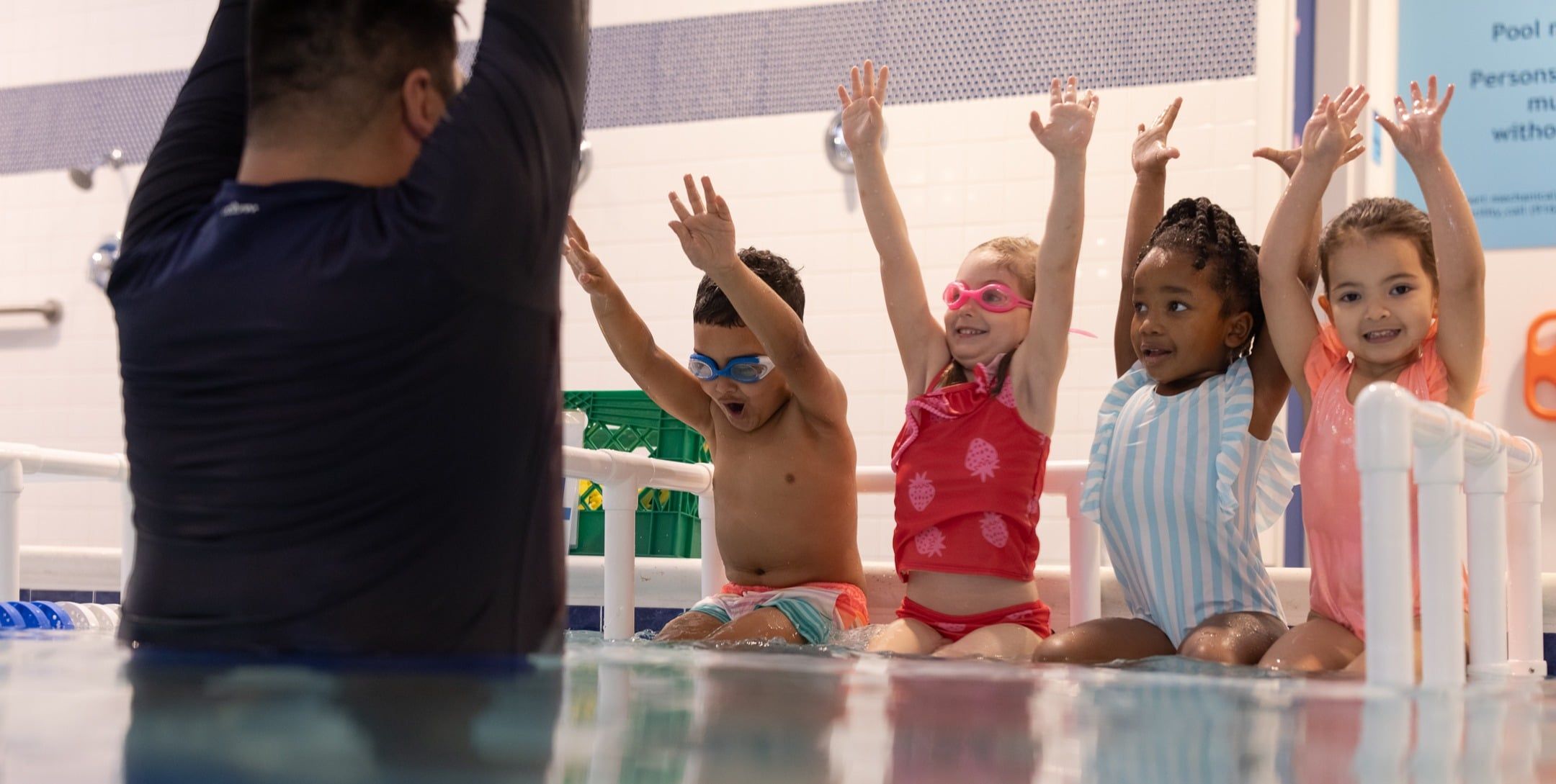

Choosing a swim school is one of those decisions that can feel bigger than it looks, especially if you are a first-time swim parent. You want a place that helps your child become safer in and around the water, teaches meaningful skills, and leaves them looking forward to lesson day. This checklist walks through what matters most, so you can compare your options with confidence.
Start with the instructors
The instructor’s approach can have a significant effect on your child’s experience and progress. Look for instructors who are warm and patient, who explain what they are working on, and who adjust to each child rather than pushing every swimmer through the same steps. Ask how the school supports and trains its instructors, and whether the same instructor tends to stay with a class so your child can build a relationship over time.
Ask about class format and instructor ratio
Class size matters, but smaller is not automatically better for every child. In a well-structured group lesson, swimmers can learn by watching their peers demonstrate skills, listening to instructor feedback, and practicing alongside children at a similar level. Some children respond well to that social learning environment, while others benefit from the focused attention of a private lesson. Ask about the typical student-to-instructor ratio, how swimmers are grouped by ability, and how instructors keep each child actively engaged. The right choice depends on your child’s learning style, comfort level, goals, and need for individualized support.
Pay attention to water comfort
Water temperature has a real effect on how young swimmers feel and focus, especially babies and toddlers. Ask whether the pool is kept comfortably warm. SafeSplash uses warm-water pools to help swimmers stay comfortable and focused, although exact pool temperatures may vary by facility.
Look for a clear, skill-building curriculum
A good program can show you where your child is now and what they are working toward, in language you can understand. SafeSplash uses the 4 C's of Progress to describe how swimmers can develop over time: Comfortable, Capable, Confident, and Competitive. It is not a ladder every child has to climb to the end. Instead, it gives families a shared way to see and understand progress, wherever a swimmer starts and whatever their goals are.
Understand the approach to safety
Safety is the reason many families enroll, so it is fair to ask direct questions. How does the school teach water safety and self-rescue skills? What are the supervision expectations in and around the pool? A trustworthy school will also be honest with you about the limits of lessons: swim skills are one important layer of protection, and they do not replace close adult supervision, four-sided pool fencing at home pools, or life jackets in open water. Be cautious of any program that promises to make a child “safe” or “drown-proof.” No lesson can guarantee that.
Factor in schedule, location, and consistency
Progress in swimming comes from consistency, so the most effective schedule is one your family can actually keep. Consider drive time, class times, and how the school handles a missed week. Ask what options exist if you need to reschedule, since policies vary by location.
Read reviews, then visit
Local reviews and word of mouth tell you how a school treats families over time. After you narrow your list, visit in person or ask whether you can observe a class. Notice whether children seem engaged, whether instructors are attentive, and whether the deck feels calm and organized.
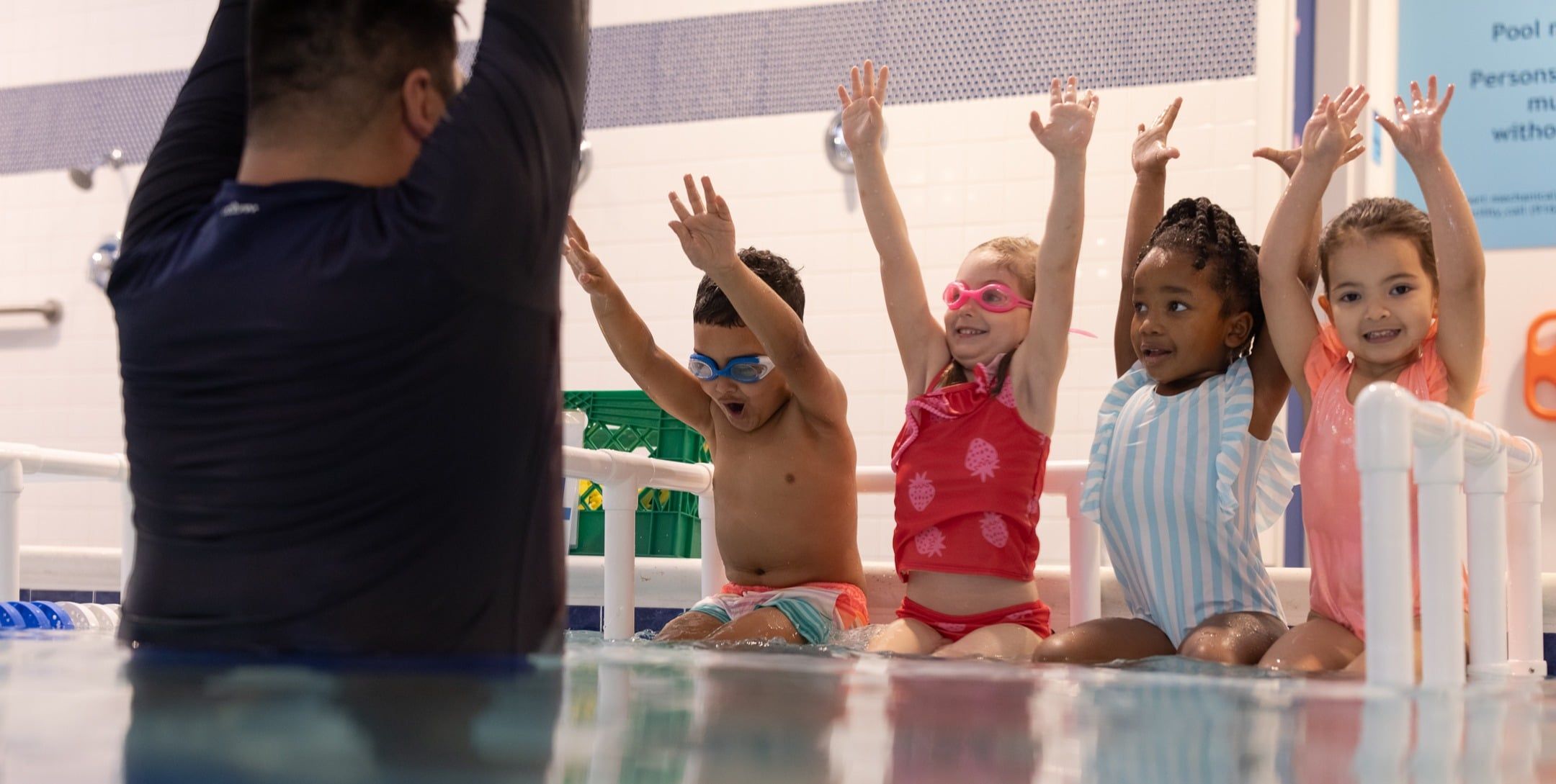
The one-page checklist
How SafeSplash fits in
SafeSplash is a national swim school brand offering a consistent, skill-based curriculum at locations across the country, with class formats and amenities that vary by school. The SafeSplash 4 C's of Progress helps families understand how swimmers develop comfort, capability, confidence, and competitive skill, based on each swimmer’s individual goals.
SafeSplash also offers the S.A.F.E.R. Swimmer Promise for eligible beginner swimmers ages 4 and older in Beginner 2 through Beginner 4 who meet consistent attendance requirements. The program focuses on 10 essential water safety and self-rescue skills to be completed within one year. If an eligible swimmer does not complete the skills within that period, they may receive up to two additional months of lessons free. Program and class availability may vary by location.
Frequently asked questions
What is the most important thing to look for in a swim school?
No single factor determines whether a swim school is the right fit. Look for well-supported instructors, a clear curriculum, a strong safety culture, and class formats that fit your child’s learning needs. Group lessons can offer valuable opportunities to learn by watching peers, while private lessons provide more individualized instruction.
How do I know if a swim school is good for a nervous child?
Look for small classes, patient instructors, and a program that lets children move at their own pace. Ask how they support a child who is hesitant, and watch a class to see how instructors respond to tears or reluctance.
Does a swim school keep my child safe from drowning?
No program can make a child “safe” or guarantee they can save themselves. Swim lessons build water safety and self-rescue skills that help a child be safer in and around the water, but they are one layer of protection alongside close supervision, four-sided pool fencing, and life jackets in open water.
When should a child start lessons?
Many children can begin formal swim lessons around age 1, depending on their development and readiness. SafeSplash ParentTot classes are available at participating locations for babies and young toddlers starting as early as 4 months, with a parent or caregiver in the water. At this age, classes focus on comfort, positive water routines, and introductory skills rather than independent swimming. See the SafeSplash guide to when children can start swim lessons.
Ready to compare in person?
The best way to judge a swim school is to see it. Find a SafeSplash location near you and talk with an instructor about your child's age, comfort in the water, and goals, so you can decide together what a good fit looks like.
Learning to swim goes beyond just water safety—it can also enhance your child's cognitive development! Swim lessons offer your child a great mix of...
If you’re thinking about swim lessons for your child, you’re probably asking: How long does it take to learn to swim safely?The short answer: it...
Every parent wants their child to be safer in and around the water. Swim skills are a big part of that, but they work best as one piece of a bigger...

Visit our Water Safety Blog for expert advice, family tips, and more!