<img height="1" width="1" style="display:none" src="https://www.facebook.com/tr?id=1224625332660204&amp;ev=PageView&amp;noscript=1">
Skip to the main content.

2 min read

How Long Does It Take to Learn to Swim?

How Long Does It Take to Learn to Swim?
wave

If you’re thinking about swim lessons for your child, you’re probably asking: How long does it take to learn to swim safely?

The short answer: it depends, but consistency beats speed every time.

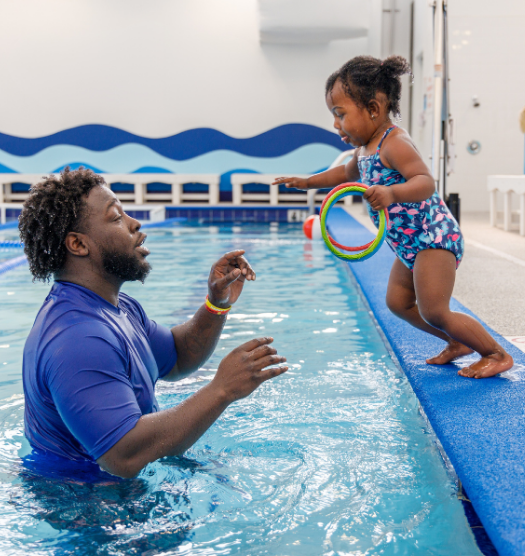
Learning to swim isn’t a one-time milestone. It’s a process of building water safety skills, confidence, and independence in the water over time. With the right instruction and consistent lessons, most swimmers can begin developing essential safety skills within months.

At SafeSplash Swim School, the focus isn’t just on swimming strokes; it’s on teaching the life-saving skills that help swimmers stay safer in and around water.

A Clear, Life-Saving Path

SafeSplash swimmers ages 4+ work toward mastering 10 essential water safety skills through our S.A.F.E.R. Swimmer Promise.

Here’s the reality: consistent weekly lessons put swimmers on track to pass the S.A.F.E.R. Swimmer Test within 12 months. Miss that milestone? We provide up to 2 months of free lessons to ensure your child is confident, competent, and truly safer in the water.

Because the goal isn’t just strokes. It’s floating, turning, reaching the wall, and moving to safety on their own—the skills that matter in a real emergency.

Frequently Asked Questions About Learning to Swim

How long does it take a child to learn to swim safely?

It depends on age, comfort, and consistency. Most children ages 4+ begin building essential water safety skills in months, not years. SafeSplash’s S.A.F.E.R. Swimmer Promise gives a clear, realistic path; many swimmers reach these milestones within 12 months. Safety comes before speed.

How many swim lessons does a beginner need?

Every child learns differently. Most beginners need weekly lessons over about a year to gain true confidence and safety skills. Kids who take lessons multiple times per week often progress faster, building skills and confidence more quickly. But it’s not about checking boxes—it’s about mastering the life-saving skills that let kids stay safe in water, every time.

What skills should a swimmer learn first?

The National Drowning Prevention Alliance (NDPA) emphasizes water competency over laps. That means teaching kids the skills to protect themselves in water. Early foundational skills include:

  • Entering the water safely
  • Floating or treading water
  • Turning toward safety
  • Swimming a short distance
  • Exiting the water independently

SafeSplash focuses on these first, so kids can handle real-life situations, not just swim strokes.

How often should kids take swim lessons?

Consistency is everything. Weekly lessons build skills, reinforce confidence, and reduce fear. Some kids may need extra sessions to accelerate progress, but short, steady lessons always beat random practice.

What Matters Most

At SafeSplash, learning to swim isn’t about rushing through lessons. It’s about building lifelong water safety skills.

Our proven curriculum and expert instructors help children develop real, actionable safety skills in about a year. Unlike typical swim programs that emphasize strokes first, SafeSplash prioritizes the life-saving skills that give kids the confidence to move safely through water and reach safety when it counts.

Because when it comes to swimming, the goal isn’t just strokes. It’s staying safer in and around water—every time your child gets in.

Ready to get started? Find A SafeSplash Near You >>

Can Swimming Lessons Make Your Child Smarter? The Cognitive Benefits of Swimming

Can Swimming Lessons Make Your Child Smarter? The Cognitive Benefits of Swimming

Learning to swim goes beyond just water safety—it can also enhance your child's cognitive development! Swim lessons offer your child a great mix of...

Read More
Holiday Break? Here's Why Swim Lessons Shouldn’t Take One

Holiday Break? Here's Why Swim Lessons Shouldn’t Take One

The holidays may be a time for travel, treats, and time off from school, but water safety should never take a vacation. Between family trips, hotel...

Read More
4 Reasons to Sign Your Special Needs Child Up for Swim Lessons

4 Reasons to Sign Your Special Needs Child Up for Swim Lessons

Swimming lessons are a typical part of growing up for most kids, especially for those who live near a pool or in a home with one. These lessons teach...

Read More