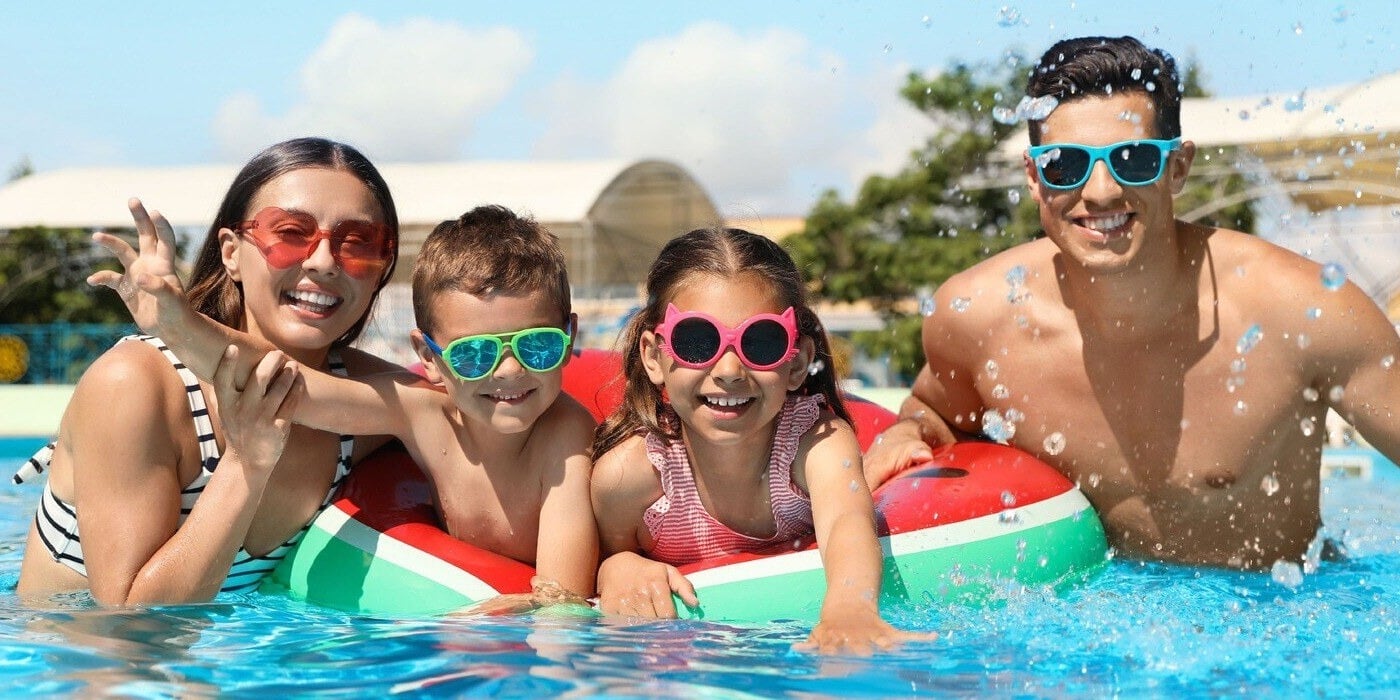
Vacation Water Safety Checklist: Tips for a Safer, Stress-Free Getaway
Vacations are all about relaxation, fun, and making memories with your loved ones. But when your getaway includes water—whether it’s a hotel pool, a...
3 min read
SafeSplash Swim School : July 31, 2026
Every parent wants their child to be safer in and around the water. Swim skills are a big part of that, but they work best as one piece of a bigger picture. Here is how to think about water safety and self-rescue skills by age, and how they fit alongside the other protections that keep children safer.
Safety is built in layers
No single measure keeps a child safe on its own, and no lesson can make a child “safe” or able to save themselves. Water safety works as a set of layers, and the more you have in place, the better:
Water safety skills reduce risk, but they do not replace supervision or remove the need for these other layers.
Water safety skills by age and stage
Age ranges are only a general guide. Children develop water skills at different rates based on their readiness, prior experience, instruction, and opportunities to practice. These skills should be introduced with appropriate adult or instructor support rather than treated as milestones every child must reach by a particular birthday.
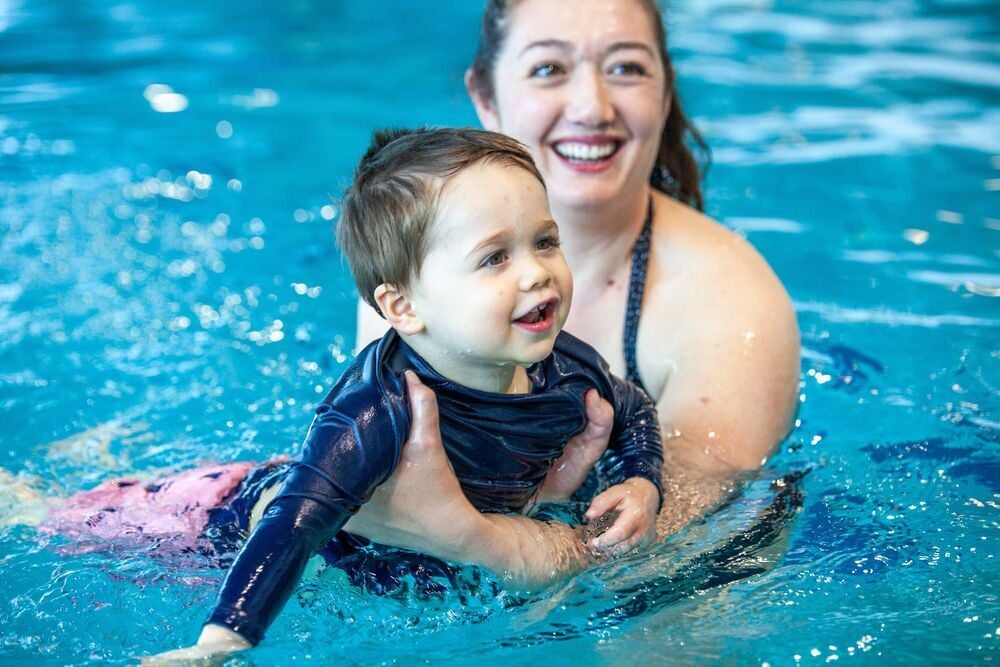
Babies and toddlers. Young children can begin building comfort, breath control, supported floating and kicking, and safer ways to enter and exit the water. In ParentTot classes, a parent or caregiver participates in the water. Developmentally ready children ages 2 to 3 may also participate in Toddler Transition without a parent in the water, with close support from an instructor. These are meaningful foundational skills, but they do not make a young child an independent swimmer or reduce the need for touch supervision.
Preschoolers (around ages 3 to 5). Depending on their readiness and starting level, children may work on breath control, reaching or returning to the wall, rolling to the back to rest and breathe with support, and entering and exiting the pool in safer ways. Skills should be practiced with close instructor supervision and the level of support appropriate for each swimmer.
School-age children (ages 6 and up). Based on their starting level, children can work toward swimming to an exit, treading or floating to rest, rolling from front to back to breathe, and exiting the water independently. They should also learn and follow water rules such as never swimming alone, asking an adult before entering the water, and recognizing that pools and open water require different precautions.
A family water safety checklist
Water safety matters year-round, whether your family is visiting a pool, vacation rental, water park, lake, river, or beach. Review these protections regularly:
How SafeSplash weaves in water safety
At SafeSplash, water safety and self-rescue skills are part of the journey from the very first classes, taught in age-appropriate ways as swimmers grow. Progress is described through the 4 C's of Progress (Comfortable, Capable, Confident, and Competitive), so families can see skills developing over time. As swimmers practice age-appropriate skills, their comfort, capability, and confidence can develop together over time. Specific class types and progressions are available at participating locations, and availability varies, so ask your local school what fits your child's age and level.
Frequently asked questions
What water safety skills should every child learn?
By school age, children can work toward getting in and out safely, breath control, rolling to their back to breathe, swimming a short distance to an exit, and treading water, along with rules like never swimming alone. Younger children build earlier foundations like comfort, supported floating, and safer entry and exit.
What is the safest way for kids to learn to swim?
No lesson format can eliminate risk. Children should learn through age-appropriate instruction with trained instructors, in a class format that fits their readiness and needs. Lessons should remain one part of a broader approach that includes close supervision, four-sided pool fencing, properly fitted life jackets in open water, and adults who know CPR.
When can children begin learning foundational self-rescue skills?
Children can begin practicing foundational skills during early childhood, with the level of support appropriate for their age and readiness. Skills such as supported floating, breath control, reaching for the wall, and safer entry and exit can develop over time. More independent skills, including treading water and swimming toward an exit, generally come later. No self-rescue skill makes a child water-safe or replaces supervision.
Can swim lessons help reduce drowning risk?
Swim lessons can help children build water competency and are an important layer of drowning prevention, but no lesson can prevent every drowning or make a child water-safe. The American Academy of Pediatrics recommends combining lessons with close supervision, four-sided pool fencing, properly fitted life jackets when appropriate, and adults who know CPR.
Build skills that last
Talk with your local SafeSplash team about your child’s age, current ability, water experience, and goals. They can help identify an appropriate starting level and class based on local availability.
Vacations are all about relaxation, fun, and making memories with your loved ones. But when your getaway includes water—whether it’s a hotel pool, a...
Water play, pool parties, and beach days are some of the many joys of summer. We all crave a refreshing dip when the weather is humid and warm, but...
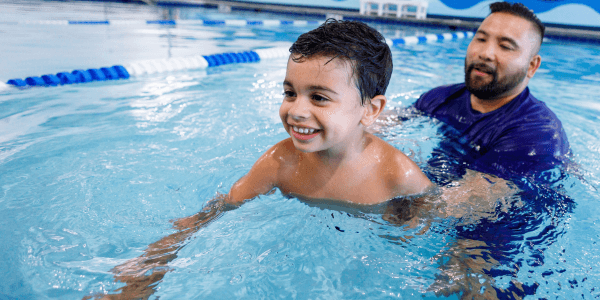
Water safety isn’t just a summer concern, and swimming isn’t a skill that should only be practiced for a few months each year. Children encounter...

Visit our Water Safety Blog for expert advice, family tips, and more!